
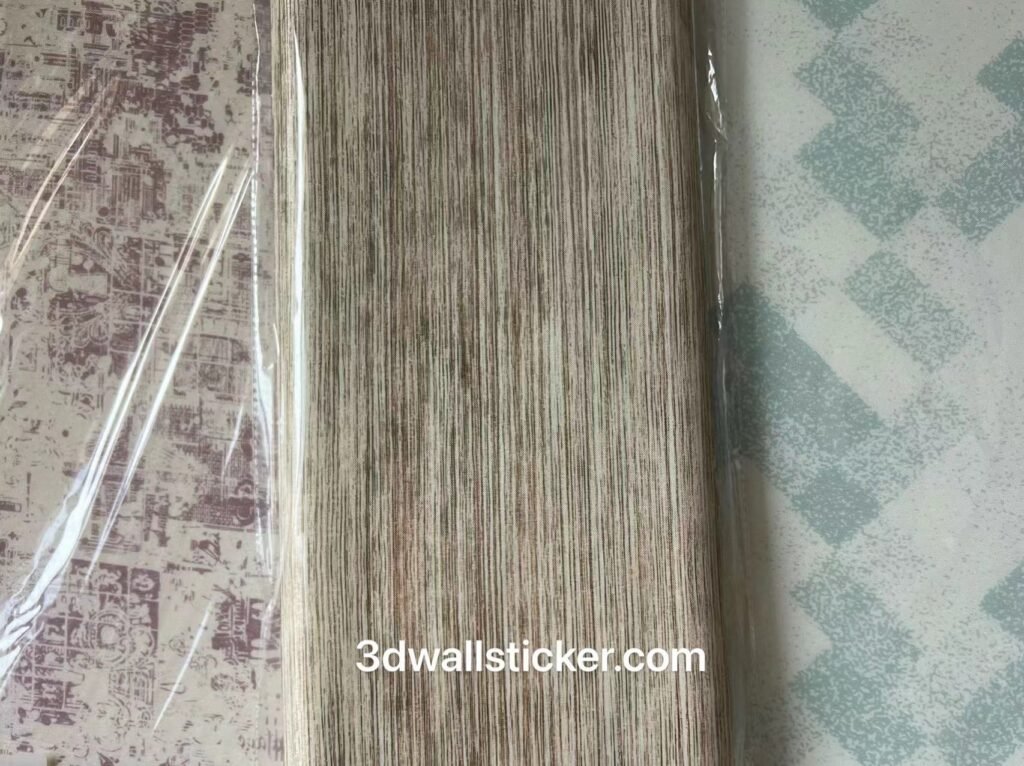
Linen wall stickers are becoming an interesting option for modern interior wall decoration. They combine the soft, natural appearance of fabric with the convenience of a self-adhesive surface, making them suitable for bedrooms, living rooms, offices, hotels, retail spaces, and other interior applications.
Unlike traditional wallpaper, linen wall stickers are designed around easy application, lightweight construction, and decorative texture. They can create a warm and sophisticated wall surface without the heavier installation process associated with traditional wall panels.
In this guide, we will explain what linen wall stickers are, how they are made, their advantages and limitations, where they can be used, how to install them, and what importers and distributors should consider when sourcing them.
What Is a Linen Wall Sticker?
A linen wall sticker is a self-adhesive wall decoration material with a linen or fabric-like surface.
The product normally consists of several functional layers:
- Decorative surface layer – creates the visible linen or woven-fabric appearance.
- Base or backing layer – provides dimensional stability and supports the decorative surface.
- Adhesive layer – allows the product to stick directly to a suitable wall surface.
- Release liner – protects the adhesive before installation.
The exact construction varies between manufacturers and product series.
Importantly, a linen wall sticker does not necessarily mean that the product is made from natural linen fiber. Many products use synthetic or blended materials designed to reproduce the appearance and texture of linen.
Therefore, buyers should always check the actual material specification rather than judging the product only by its name.
Why Does Linen Texture Work So Well on Walls?
Linen has a naturally understated appearance.
Compared with glossy marble or highly decorative patterns, linen textures tend to create a softer visual effect. The subtle woven pattern can add depth to a wall without making the room look overly busy.
This makes linen-style wall decoration particularly suitable for:
- Minimalist interiors
- Modern homes
- Scandinavian-style interiors
- Contemporary hotels
- Boutique restaurants
- Offices
- Bedrooms
- TV walls
- Headboard walls
- Retail stores
The texture can also help create a warmer atmosphere when combined with wood, stone, metal, or neutral-colored furniture.
Key Features of Linen Wall Stickers
1. Fabric-Like Appearance
The main attraction is the textile appearance.
A good linen wall sticker can reproduce the visual characteristics of woven fabric, including:
- Fine woven patterns
- Natural-looking texture
- Matte surfaces
- Subtle color variation
- Soft visual depth
This can provide a more tactile and premium appearance than a completely flat printed wall covering.
2. Self-Adhesive Installation
One of the biggest differences between linen wall stickers and conventional wall decoration is the adhesive backing.
Instead of applying wallpaper paste separately, the installer can generally:
Measure → Cut → Peel → Position → Press → Finish
This can simplify installation, especially for relatively small residential projects, renovation projects, retail displays, and feature walls.
However, the adhesive performance depends on both the product and the wall surface.
3. Lightweight
Linen wall stickers are generally much lighter than traditional stone, ceramic, or many rigid wall panels.
This can be useful for:
- Transportation
- Handling
- Installation
- Renovation projects
- High-rise interiors
- Temporary decoration
- DIY applications
For international B2B buyers, lower weight can also be relevant when calculating packaging and shipping costs.
4. Soft and Warm Visual Effect
Compared with highly reflective materials, linen textures create a softer visual experience.
Common colors include:
- Beige
- Cream
- Light gray
- Dark gray
- Brown
- Taupe
- White
- Black
Natural and neutral colors are especially suitable for modern interior design.
5. Wide Range of Design Possibilities
Linen-style wall stickers do not have to look exactly the same.
Manufacturers can develop different:
- Colors
- Weave patterns
- Surface textures
- Thicknesses
- Finishes
- Widths
- Roll lengths
- Embossed effects
- Printed patterns
Some products can also combine linen textures with geometric patterns, metallic details, wood effects, or other decorative elements.
Linen Wall Sticker vs Traditional Wallpaper
Linen wall stickers and traditional wallpaper can both create decorative wall surfaces, but their construction and installation methods are different.
| Feature | Linen Wall Sticker | Traditional Wallpaper |
|---|---|---|
| Adhesive | Pre-applied | Usually separate |
| Installation | Peel and stick | Paste/glue required |
| Weight | Generally lightweight | Depends on material |
| DIY suitability | Generally convenient | Can require more experience |
| Texture | Fabric-like options | Very wide range |
| Removal | Depends on adhesive and wall | Depends on wallpaper/glue |
| Installation speed | Often faster | Often more preparation |
| Wall preparation | Important | Important |
| Design flexibility | High | Very high |
Neither product is automatically suitable for every project.
The better choice depends on the wall condition, project requirements, installation method, budget, and desired appearance.
Linen Wall Sticker vs Real Linen Fabric
A linen wall sticker should also be distinguished from genuine linen fabric.
Genuine Linen Fabric
Natural linen is a textile made from flax fibers. It has a distinctive natural texture and is commonly used for curtains, upholstery, furniture, and decorative textiles.
Linen-Style Wall Sticker
A linen wall sticker is designed specifically for wall application. It may use synthetic fibers, nonwoven materials, PVC-based materials, PET-based materials, or other constructions depending on the manufacturer.
Its main objective is to combine:
Linen appearance + wall application + self-adhesive convenience
For wall decoration projects, this can provide a more practical alternative to installing actual textile fabric directly onto the wall.
Where Can Linen Wall Stickers Be Used?
1. Bedroom Walls
Linen textures work particularly well in bedrooms because of their soft and calm appearance.
They can be used for:
- Headboard walls
- Bedside walls
- Feature walls
- Full-wall decoration
- Decorative panels
Beige, cream, gray, and warm neutral tones are common choices.
2. Living Rooms
Linen wall stickers can create a subtle feature wall behind:
- Sofas
- TV units
- Shelving
- Decorative cabinets
Combining linen texture with wood or stone-effect materials can create a layered interior design.
3. TV Walls
For customers who want something different from marble-effect or wood-effect TV walls, linen texture offers a softer alternative.
For example:
Linen texture + wood trim + warm lighting
can create a contemporary feature wall without relying on a high-gloss finish.
4. Hotels
Hotels often need decorative materials that provide a consistent appearance across multiple rooms.
Linen-style wall surfaces can be considered for:
- Guest rooms
- Corridors
- Reception areas
- Lounge areas
- Headboard walls
- Decorative feature walls
For commercial projects, buyers should confirm the product’s required durability, cleaning, fire-performance, and other specifications before ordering.
5. Restaurants and Cafés
Linen textures can work well with warm lighting and natural materials.
They can be combined with:
- Wood
- Metal
- Stone
- Plants
- Fabric furniture
- Warm lighting
This makes them suitable for modern cafés, restaurants, boutique shops, and hospitality interiors.
6. Offices
Linen-style wall surfaces can provide a less industrial appearance than plain painted walls.
Potential applications include:
- Reception areas
- Meeting rooms
- Private offices
- Background walls
- Waiting areas
- Creative workspaces
How to Install a Linen Wall Sticker
Correct installation is important because even a high-quality adhesive wall sticker can perform poorly when installed on an unsuitable surface.
Step 1: Prepare the Wall
The wall should be:
- Clean
- Dry
- Smooth
- Free from dust
- Free from loose paint
- Free from grease
- Structurally sound
Uneven walls can cause visible imperfections and may reduce adhesive contact.
Step 2: Measure the Wall
Measure the height and width of the installation area.
Add a small allowance for trimming.
For patterned products, also consider the pattern repeat before cutting.
Step 3: Cut the Material
Cut the linen wall sticker according to the wall dimensions.
Use a sharp utility knife or appropriate cutting tool.
For large walls, it is helpful to plan the position of every sheet or roll before removing the backing paper.
Step 4: Position the Material
Do not immediately remove the entire release liner.
Instead, expose a small section first.
Position the upper part of the sticker carefully and make sure it is straight.
Step 5: Peel and Apply Gradually
Slowly remove the backing paper while pressing the wall sticker onto the wall.
Use a:
- Squeegee
- Soft scraper
- Flat applicator
- Clean cloth
Work gradually from one direction toward the other.
This helps minimize wrinkles and air bubbles.
Step 6: Remove Air Bubbles
If a small bubble appears, gently lift the material and reapply it.
Do not aggressively stretch the product.
For larger installations, working slowly is usually more effective than trying to cover the entire wall quickly.
Step 7: Trim the Edges
After the material is firmly applied, trim excess material around:
- Corners
- Windows
- Doors
- Electrical outlets
- Skirting boards
- Other obstacles
A sharp blade helps create a cleaner edge.
Can Linen Wall Stickers Be Used in Bathrooms?
This depends on the specific product.
The words “wall sticker” or “waterproof” should not automatically be interpreted as meaning that every linen wall sticker is suitable for wet areas.
Before using a product in a bathroom or other humid environment, check:
- Water resistance
- Moisture resistance
- Adhesive performance
- Edge sealing requirements
- Substrate compatibility
- Manufacturer’s recommended applications
For direct shower areas or continuously wet surfaces, buyers should follow the manufacturer’s technical specifications.
Are Linen Wall Stickers Easy to Clean?
Many linen-style wall surfaces can be cleaned with a soft, slightly damp cloth.
However, cleaning performance depends heavily on the surface material and coating.
Before using cleaning chemicals:
- Check the manufacturer’s instructions.
- Test on an inconspicuous area.
- Avoid abrasive cleaning tools.
- Avoid excessive water unless the product is specifically designed for wet cleaning.
The texture of a fabric-like surface can also affect how easily dust or stains are removed.
Do Linen Wall Stickers Peel Off?
Peeling is usually related to several factors rather than simply the product itself.
Common causes include:
Poor Wall Preparation
Dust, grease, moisture, or loose paint can prevent proper adhesion.
Uneven Walls
Large gaps between the material and wall can reduce contact.
Moisture
Excess humidity or water can affect some adhesive systems.
Incorrect Installation
If the material is not pressed properly during installation, adhesion may be incomplete.
Low-Quality Adhesive
Adhesive formulation and quality are important factors in long-term performance.
For this reason, professional suppliers should provide installation recommendations and wall-condition requirements.
How Long Do Linen Wall Stickers Last?
There is no single lifespan that applies to every linen wall sticker.
Actual service life depends on:
- Material construction
- Adhesive quality
- Wall condition
- Indoor humidity
- UV exposure
- Cleaning frequency
- Installation quality
- Application environment
For B2B projects, buyers should request the manufacturer’s technical information and sample-test the product under the intended conditions.
What Should Importers Look for When Buying Linen Wall Stickers?
For wholesalers, distributors, and interior-material importers, appearance is only one part of the purchasing decision.
1. Material Construction
Ask the supplier:
- What is the surface material?
- What is the backing material?
- What type of adhesive is used?
- What is the total thickness?
- Is the product washable?
- Is it moisture resistant?
- What wall surfaces are recommended?
2. Adhesive Performance
Adhesive quality can directly affect customer satisfaction.
Ask about:
- Initial tack
- Long-term adhesion
- Recommended substrates
- Temperature range
- Humidity conditions
- Removal characteristics
Samples should be tested before large orders.
3. Product Dimensions
Common commercial formats can include:
- Rolls
- Sheets
- Panels
- Custom sizes
The ideal format depends on the target market and installation method.
4. Packaging
For international shipments, packaging should protect the decorative surface and adhesive backing.
Important considerations include:
- Roll protection
- Moisture protection
- Corner protection
- Carton strength
- Product labels
- Installation instructions
- Barcode/UPC requirements where needed
- Private-label packaging
5. Color Consistency
For large projects, color consistency between production batches is important.
Buyers should discuss:
- Color codes
- Batch control
- Sample approval
- Production tolerance
- Replacement policy
A physical approved sample is often more useful than relying only on digital images.
6. MOQ and Private Label
Distributors may want to develop their own brand.
A capable supplier may offer:
- Custom colors
- Custom packaging
- Private labeling
- OEM development
- Custom patterns
- Custom roll lengths
- Product series development
MOQ should be discussed according to the customization level.
How Can Suppliers Develop a Linen Wall Sticker Collection?
Linen does not need to be a single product.
A supplier can build an entire collection around different interior styles.
Natural Linen Series
Warm beige, cream, sand, and natural textile colors.
Modern Linen Series
Gray, charcoal, black, and minimalist tones.
Luxury Linen Series
Textured surfaces with subtle metallic or embossed effects.
Soft Interior Series
Light colors designed for bedrooms and residential interiors.
Patterned Linen Series
Geometric or decorative patterns combined with woven textures.
This approach allows distributors to create a more complete wall-decoration product range rather than selling one individual SKU.
Linen Wall Sticker Design Trends
Future linen wall decoration may develop beyond simple fabric textures.
Potential design directions include:
Micro-Texture
Very fine woven textures can create a more realistic textile appearance.
3D Embossing
Subtle embossing can add depth and improve the tactile quality of the surface.
Linen + Wood
Combining warm wood textures with linen surfaces can create a natural interior style.
Linen + Metallic
Small metallic elements can introduce a more luxurious appearance.
Linen + Geometric Patterns
Modern geometric patterns can make traditional textile textures more contemporary.
Soft Neutral Colors
Beige, taupe, warm gray, cream, and other neutral tones remain useful for a wide range of interior styles.
Frequently Asked Questions
Is linen wall sticker made from real linen?
Not necessarily. “Linen wall sticker” generally describes the appearance or texture. The actual product may use synthetic, blended, nonwoven, PET, PVC, or other materials.
Always check the technical specification.
Is linen wall sticker waterproof?
Some products may offer water or moisture resistance, but this depends on the construction. Buyers should check the manufacturer’s specifications before using them in wet areas.
Can I install linen wall stickers myself?
Many self-adhesive products are designed for relatively convenient installation, but the wall must be properly prepared and the installation should follow the manufacturer’s instructions.
Can linen wall stickers be removed?
Some products can be removed more easily than others. Removal depends on the adhesive, installation time, wall substrate, and product construction.
Can linen wall stickers be installed over painted walls?
They can often be installed over suitable smooth painted walls, provided the paint is properly cured, firmly bonded, clean, dry, and free from dust or grease.
Are linen wall stickers suitable for commercial projects?
They can be used in many commercial interiors, but project requirements should be checked carefully, particularly regarding durability, cleaning, fire performance, moisture resistance, and local building regulations.
Are linen wall stickers better than wallpaper?
They are different solutions. Linen wall stickers offer the convenience of a pre-applied adhesive, while traditional wallpaper provides a very broad range of materials and installation methods. The appropriate choice depends on the project.
Final Thoughts
Linen wall stickers combine the visual warmth of textile surfaces with the convenience of self-adhesive wall decoration.
Their lightweight construction, fabric-like appearance, range of colors, and relatively simple installation make them an interesting option for residential and commercial interiors.
For homeowners, they can provide a quick way to refresh a feature wall.
For designers, they offer another texture to work with.
For wholesalers and distributors, linen wall stickers can become part of a broader self-adhesive wall decoration collection, alongside marble, wood, PU leather, grille, and other decorative surfaces.
As self-adhesive wall decoration continues to evolve, linen is likely to remain an important design direction because it combines a natural-looking texture with modern installation convenience.
Looking for new linen wall sticker designs or private-label wall decoration products? Explore the latest self-adhesive wall decoration solutions from 3DWallSticker.